World Court finds Myanmar committed genocide against the Rohingya
By nine votes to six, the International Court of Justice held Myanmar responsible under the Genocide Convention, the first time it has found a state to have committed genocide.
In this article
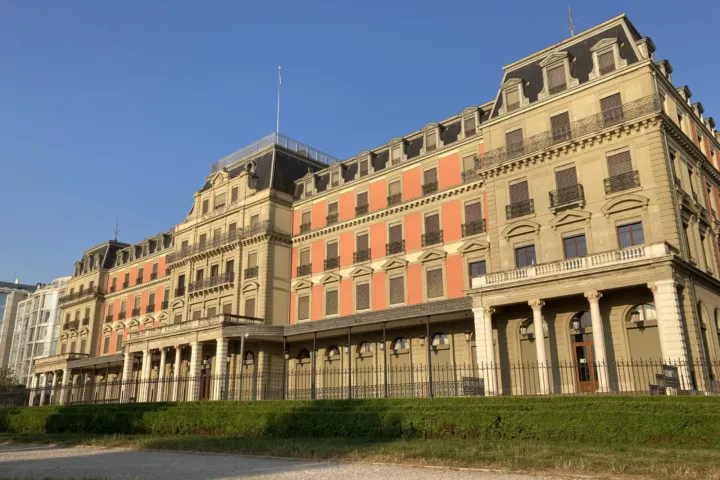
The International Court of Justice (ICJ) ruled on 19 November (3 Mangsir 2083 BS) that Myanmar committed genocide against the Rohingya in northern Rakhine State, in breach of the 1948 Genocide Convention. The judgment, in the case brought by The Gambia, was adopted by nine votes to six.
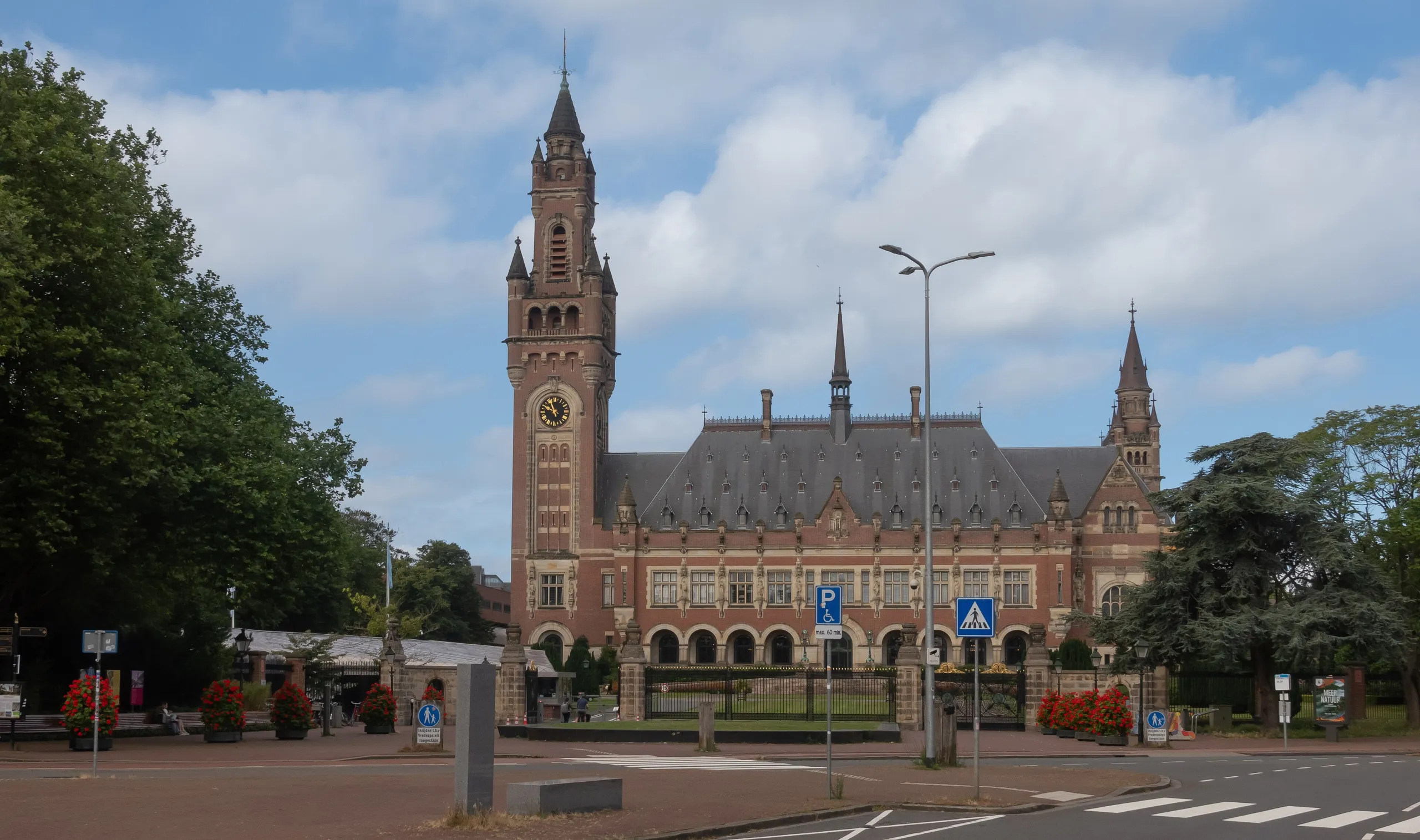
President Yuji Iwasawa read the judgment in The Hague over about three hours. It is the first time in the court’s roughly 80-year history that it has found a state responsible for committing genocide.
What the court found
The court found that Myanmar’s security forces killed thousands of Rohingya civilians during the 2016–17 “clearance operations”, committed widespread sexual violence and extreme violence against children, and attacked Rohingya fleeing to Bangladesh. Al Jazeera and Radio Free Asia report that the evidence showed at least 10,000 Rohingya were killed.
On the decisive question of intent, the court said the “only reasonable inference” from the evidence was an intent to destroy a substantial part of the Rohingya group. It also held that Myanmar violated its obligation to prevent genocide. Myanmar had argued that its operations were a response to attacks on police posts by the Arakan Rohingya Salvation Army.
Myanmar was ordered to allow and facilitate the safe, voluntary and dignified return of those who fled, and to investigate and punish those suspected of genocide. JusticeInfo reports that compensation will be determined later. Vice-President Sebutinde, Judges Tomka, Abraham, Xue and Nolte and Judge ad hoc Kress appended a joint dissenting opinion.
Background
The Gambia, backed by the Organisation of Islamic Cooperation, filed the case in November 2019. The court ordered provisional measures on 23 January 2020, admitted interventions by Slovenia, the Democratic Republic of the Congo, Belgium and Ireland in July 2025, and heard the merits from 12 to 29 January 2026. More than 730,000 Rohingya fled to Bangladesh during the 2017 crackdown, and nearly 1.2 million remain in camps there.
Enforcement
ICJ judgments are final and binding on the parties, but the court has no means of enforcing them. Under Article 94 of the UN Charter, a party may refer non-compliance to the Security Council. The Gambia called the ruling “a historic day for international justice” and urged Myanmar to comply fully and without delay.
Sources
Primary sources
- Application of the Genocide Convention (The Gambia v. Myanmar) — case page — International Court of Justice
- UN’s top court finds Myanmar guilty of genocide against Rohingya — Al Jazeera, 19 November 2026
- World Court finds Myanmar responsible for Rohingya genocide in landmark ruling — Radio Free Asia, 19 November 2026
Other reporting
- ICJ condemns Myanmar for the genocide of the Rohingya — JusticeInfo.net, 19 November 2026