UN elects five ICJ judges; Gambia v Myanmar genocide judgment due on 19 November
Dapo Akande, François Alabrune, Mahmoud Hmoud, Rena Lee and Phoebe Okowa will serve nine-year terms from February 2027. India’s Dalveer Bhandari is among the outgoing judges.
In this article
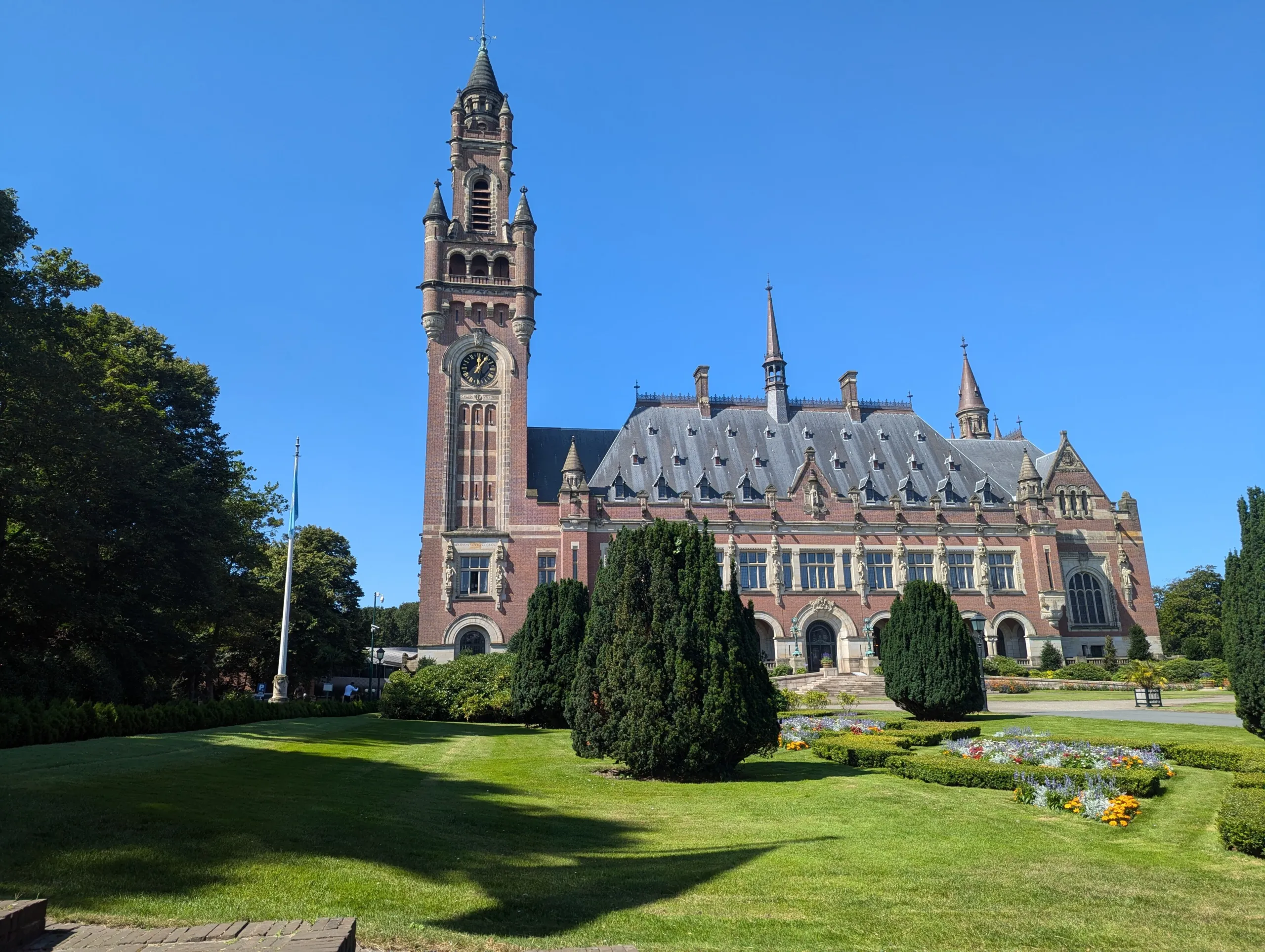
The UN General Assembly and Security Council on 3 November 2026 (17 Kartik 2083 BS) elected five judges to the International Court of Justice (ICJ), the principal judicial organ of the United Nations: Dapo Akande (United Kingdom), François Alabrune (France), Mahmoud Daifallah Hmoud (Jordan), Rena Lee (Singapore) and Phoebe Okowa (Kenya). Their nine-year terms begin on 6 February 2027. The Court announced the result in a press release dated 4 November.
Candidates need an absolute majority in both the Assembly and the Council, which vote by secret ballot at the same time but separately, Al Jazeera explained.
How the vote went
According to Al Jazeera, the two bodies first agreed on four candidates. For the fifth seat the Council backed Ecuador’s Marcelo Vázquez-Bermúdez and the Assembly backed Okowa; after further rounds Vázquez-Bermúdez withdrew and Okowa won the support of both. Africanews reported that she received 183 votes in the Assembly and 13 in the Council. An analysis on the international-law blog EJIL:Talk! says she was elected in the third round and that Jin-Hyun Paik (Republic of Korea) and Charles Chernor Jalloh (Sierra Leone) also withdrew.
EJIL:Talk! describes Hmoud and Okowa as re-elected and Akande, Alabrune and Lee as new members. On its account, the outgoing judges include Ronny Abraham (France), Dalveer Bhandari (India) and Leonardo Nemer Caldeira Brant (Brazil). The result returns the United Kingdom to the bench and leaves Latin America with a single judge, the analysis notes.
The Court
The ICJ has 15 judges, no two of the same nationality, elected for nine years and eligible for re-election; a third of the bench is renewed every three years. It decides legal disputes between states and gives advisory opinions to authorised UN bodies; it does not try individuals. Court President Iwasawa Yuji told the General Assembly on 29 October that 24 contentious cases were pending, Al Jazeera reported, among them South Africa’s genocide case against Israel over Gaza, in which the Court has ordered provisional measures but not ruled on the merits.
Next: The Gambia v Myanmar
In a press release of 3 November the Court said it will deliver its judgment in the case brought by The Gambia against Myanmar under the Genocide Convention, in which 11 states have intervened, on Thursday 19 November 2026 (3 Mangsir 2083) at 10 a.m. Hague time. The Gambia filed the case in November 2019 over the treatment of the Rohingya; merits hearings ended in January 2026. The case concerns the responsibility of Myanmar as a state, not the criminal liability of individuals. Under Article 60 of the ICJ Statute, the judgment will be final and without appeal.
Sources
Voting rounds and re-election details are based on the EJIL:Talk! analysis.
Primary sources
- Press releases 2026/27 (Gambia v Myanmar judgment date) and 2026/28 (election of five Members of the Court) — International Court of Justice, 3 and 4 Nov 2026
Other reporting
- UN elects five judges to International Court of Justice amid record cases — Al Jazeera, 4 Nov 2026
- The 2026 ICJ Election: The UK Returns, but Who is Out? — EJIL:Talk!, 9 Nov 2026
- Kenya’s Phoebe Okowa elected to International Court of Justice — Africanews, 4 Nov 2026
- ICJ to issue judgment in The Gambia v. Myanmar genocide case on November 19 — Foley Hoag, 4 Nov 2026