National ID mandatory for health insurance from 16 December, weeks after banking ruling
The Health Insurance Board has repeated that people aged 16 and over will need a national identity card number to enrol, renew or use services. In October the Supreme Court struck down a rule making the card the sole basis for banking.
In this article
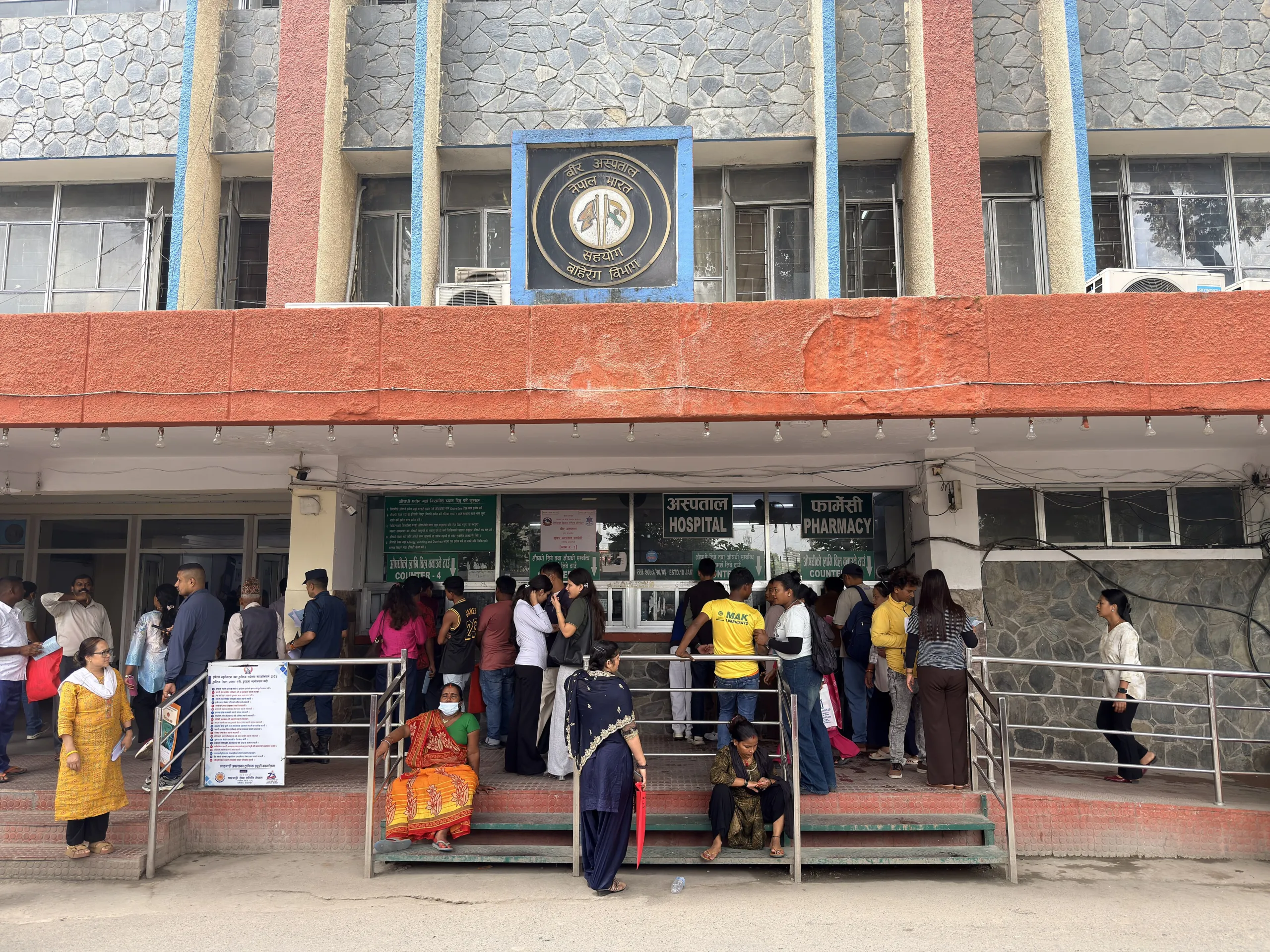
Nepal’s Health Insurance Board will require citizens aged 16 and over to provide a national identity card number to join the national health insurance programme, renew membership or receive services from 16 December (1 Poush 2083 BS). The board repeated the requirement in a notice on 2 November (16 Kartik), based on a decision of its meeting on 28 September (12 Asoj).
Senior citizens over 90 and people with profound disabilities are exempt. Ratopati reported that people already enrolled without an ID number will continue to receive services and can provide the number at the health facility.
What the board’s notice says
- From 16 December, people seeking health insurance services must bring their national ID number.
- Insured families can enrol, renew and update their details (KYC) through the board’s e-portal, eportal.hib.gov.np.
- Local governments’ health insurance coordination committees are asked to inform the public.
According to Ratopati, the Ministry of Home Affairs had published a notice in the Nepal Gazette on 10 Asar 2081 BS (June 2024) making the national ID mandatory for health insurance from 1 Shrawan 2082 BS (July 2025). The board’s latest decision prepares for strict enforcement from 16 December.
What the Supreme Court said on banking
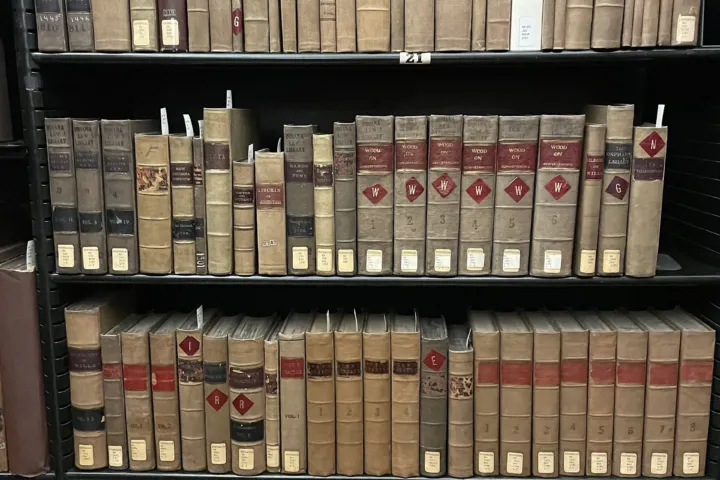
In an order made public on 10 October (24 Asoj), a division bench of Justices Sapana Pradhan Malla and Megh Raj Pokharel struck down the provision of Nepal Rastra Bank’s Unified Directive, 2082 that made the national ID card or its number the sole basis for opening and updating bank accounts. On a writ petition by Advocate Sarita Adhikari, the court issued a mandamus directing that banking services be provided on the basis of citizenship certificates and other legal documents until people obtain the card.
Ratopati summarised five grounds. The National Identity Card and Registration Act, 2076 treats the card as the “main basis” of identity, not the “sole basis”, and a subordinate body cannot make it the sole basis by directive. Citizenship is the constitutional basis of identity under Articles 10 and 11. Blocking access to bank funds affects the rights to property (Article 25) and to carry on an occupation or business (Article 17). Both offline identification and online ID verification must remain available. And because biometric data engages the right to privacy under Article 28, it can be regulated only by an Act of Parliament. The court directed the government to enact a separate, independent data protection law.
Does the ruling apply to health insurance?
The order concerned the central bank’s directive and banking services. The court said nothing about health insurance, and the board’s notice does not mention the order. The court’s reasoning on the “sole basis”, alternative documents and privacy may, however, be raised in relation to other public services, and a person refused a service for lack of a national ID can petition the courts.
What happens next
The requirement takes effect on 16 December. The board has not said what alternative arrangement will apply to people who have not yet received a national ID card.
Sources
We have not seen the full text of the Supreme Court order or its writ number; the account of the order is based on the reports listed.
Other reporting
- National ID to be made mandatory for health insurance services from 1 Poush (in Nepali) — Ratopati, 2 Nov 2026
- National ID mandatory for health insurance from 1 Poush (in Nepali) — Kantipur, 5 Oct 2026
- Supreme Court: do not make national ID mandatory for banking (in Nepali) — Onlinekhabar, 10 Oct 2026
- Order to remove national ID requirement in banks; Supreme Court gives five grounds (in Nepali) — Ratopati, 11 Oct 2026
- National ID requirement in banks scrapped after Supreme Court order (in Nepali) — DC Nepal, 10 Oct 2026