The Attorney General and government attorneys: their role under Nepal’s Constitution
Who decides whether the state prosecutes, whether a case may be withdrawn, and who checks on the treatment of detainees: Part 12 of the Constitution explained.
Articles, blog posts and explainers on law, justice and the legal profession.
Who decides whether the state prosecutes, whether a case may be withdrawn, and who checks on the treatment of detainees: Part 12 of the Constitution explained.
Each of Nepal’s seven provinces has a high court that hears writs, appeals and confirmation references. A plain guide to Articles 139 to 147 of the Constitution.
A law degree is not enough to practise. Candidates must pass a written exam, an oral argument and interview, an internship and basic training — explained from the Bar Council’s syllabus.
District courts are where most cases in Nepal begin. What Articles 148 to 151 of the Constitution say about their structure, the quotas for appointing judges, and their jurisdiction.
Who may practise law in Nepal, what happens when a lawyer breaches the code of conduct, and who confers the title of senior advocate — the main rules of the Nepal Bar Council Act, 1993.
The Public Service Commission runs open examinations for judicial service officers, while the Judicial Service Commission advises on transfers and promotions. How Article 154 divides the work.
The Judicial Council can discipline and remove High Court and district judges. Supreme Court justices can be removed only by impeachment. A guide to Article 153 and related provisions.
Nepal’s Sexual Harassment at Workplace (Prevention) Act, 2071 defines the conduct it covers, sets a 90-day window for complaints to the Chief District Officer and protects complainants from retaliation.
From Lord Denning’s landmark cases to a novel about a trial in 1930s Alabama, these books explain how law works and why it matters.
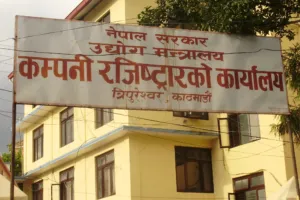
After incorporation, directors must notify the Office of the Company Registrar of the office address, shareholders and board, hold AGMs on time and file audited accounts, or face fines under the Companies Act, 2063.
When a fundamental right is violated, or a legal right has no other effective remedy, a person can go straight to the Supreme Court or a High Court. A plain guide to the writs in the Constitution and to public interest litigation.
The Constitution guarantees the right to know the grounds of arrest, to consult a lawyer and to be brought before a judicial authority within 24 hours. The Criminal Procedure Code limits how long police may hold a suspect.