How to give power of attorney from abroad for property or a court case in Nepal
Nepal’s civil procedure code lets Nepalis abroad appoint an “authorised agent” before a Nepali ambassador or consul general. Here is the legal basis, what embassies ask for, and the limits.
In this article
This article is general information, not legal advice for any person or case. Consult a lawyer before acting on your own matter.
Selling a plot of land in Nepal, transferring a house to a relative, or filing and defending a court case usually requires someone to turn up in person at a land revenue office or a court. For Nepalis living in the UK, Australia, the Gulf or elsewhere, flying home for every step is rarely practical. Nepali law allows them to authorise someone else instead, through what people commonly call an akhtiyarnama or manjurinama. The statute itself uses a different term: an “authorised agent” (adhikrit wares) appointed by a deed called a waresnama.
The legal basis
The rules are in Chapter 13 of the Muluki Civil Procedure Code, 2074 (2017). Section 144 lets a party to a case appoint another person as their representative, and requires the appointment to be in writing. Section 145 sets out who may act: someone legally competent to contract, with no unpaid court fees or fines, and with no conviction for forgery, fraud, corruption or an offence involving moral turpitude.
Section 153 is the provision that matters for people overseas. It allows a person to appoint an authorised agent, for a named case or more generally, to file a plaint, file a defence, withdraw a claim, settle, or carry out other legal acts. Where the agent is appointed generally, the person must sign the deed before a district court judge if they are in Nepal, or before a Nepali ambassador or consul general if they are abroad, and have it attested by that official. Under sub-section (3), photographs of both the person giving and the person receiving the authority must be affixed, and copies of both people’s Nepali citizenship certificates or passports must be produced.
Selling or transferring land and houses
Section 154 deals with immovable property. A person who cannot appear at the office to sell, exchange, gift or otherwise transfer land or a house, or to register a deed, may appoint an authorised agent after stating a reasonable cause for being unable to attend. The same attestation procedure in section 153 applies. Two limits stand out: an authorised agent cannot make a gift that takes effect after death (sub-section 4), and the Code sets a higher attestation fee where property is sold or rights given up to someone outside three generations of the family.
Under section 155, the authority ends automatically when the stated task or period is complete, when the person revokes it by notice in two national daily newspapers, or if either party dies before the work is done. Section 150 adds that the agent’s powers are only those written in the deed, which is why the wording deserves care.
What embassies ask for in practice
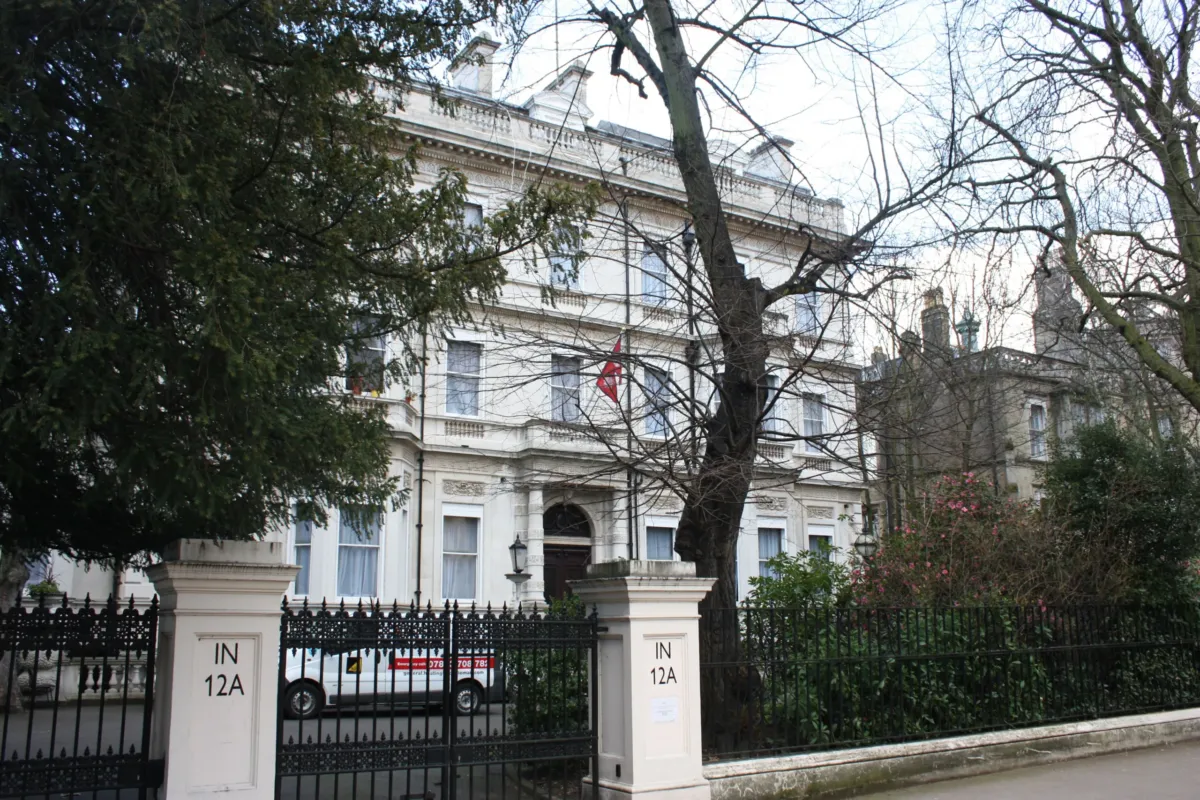
Requirements vary by mission, so the page of the embassy or consulate where you live is the place to check. The Embassy of Nepal in London says the person giving the authority must appear in person before the ambassador; the deed must be drafted by a lawyer on Nepali paper in line with the civil procedure code; and two original copies must be submitted. It also lists citizenship documents for both parties, copies of the witnesses’ citizenship certificates, the giver’s Nepali passport and visa, ownership papers for any property, the current year’s land-tax receipt, and photographs.
The Embassy of Nepal in Washington, DC says the service is available only to people holding valid Nepali citizenship and a Nepali passport. It advises US citizens of Nepali origin to prepare a special power of attorney in English in the United States, have it notarised and authenticated at state and federal level, and confirm beforehand that it will be accepted in Nepal.
Using it in Nepal
The Department of Consular Services, under the Ministry of Foreign Affairs, runs an online page for checking the authenticity of an authorised-agent deed using its date, registration number and verification number. Before relying on the deed, it is sensible to ask the land revenue office or court concerned whether it needs anything further.
Sources
Primary sources
- Muluki Civil Procedure Code, 2074, sections 144–155 — Nepal Law Commission
- Power of Attorney (adhikrit waresnama) — Embassy of Nepal, London
- Power of Attorney (PoA) — Embassy of Nepal, Washington, DC
- Authenticity of authorised-agent deeds — Department of Consular Services