Nepal’s budget session of Parliament ends with 12 laws passed and dozens of bills pending
The President prorogued the Federal Parliament on the government’s recommendation. Twelve bills became law, while more than 30 remain stuck, most of them in House committees.
In this article
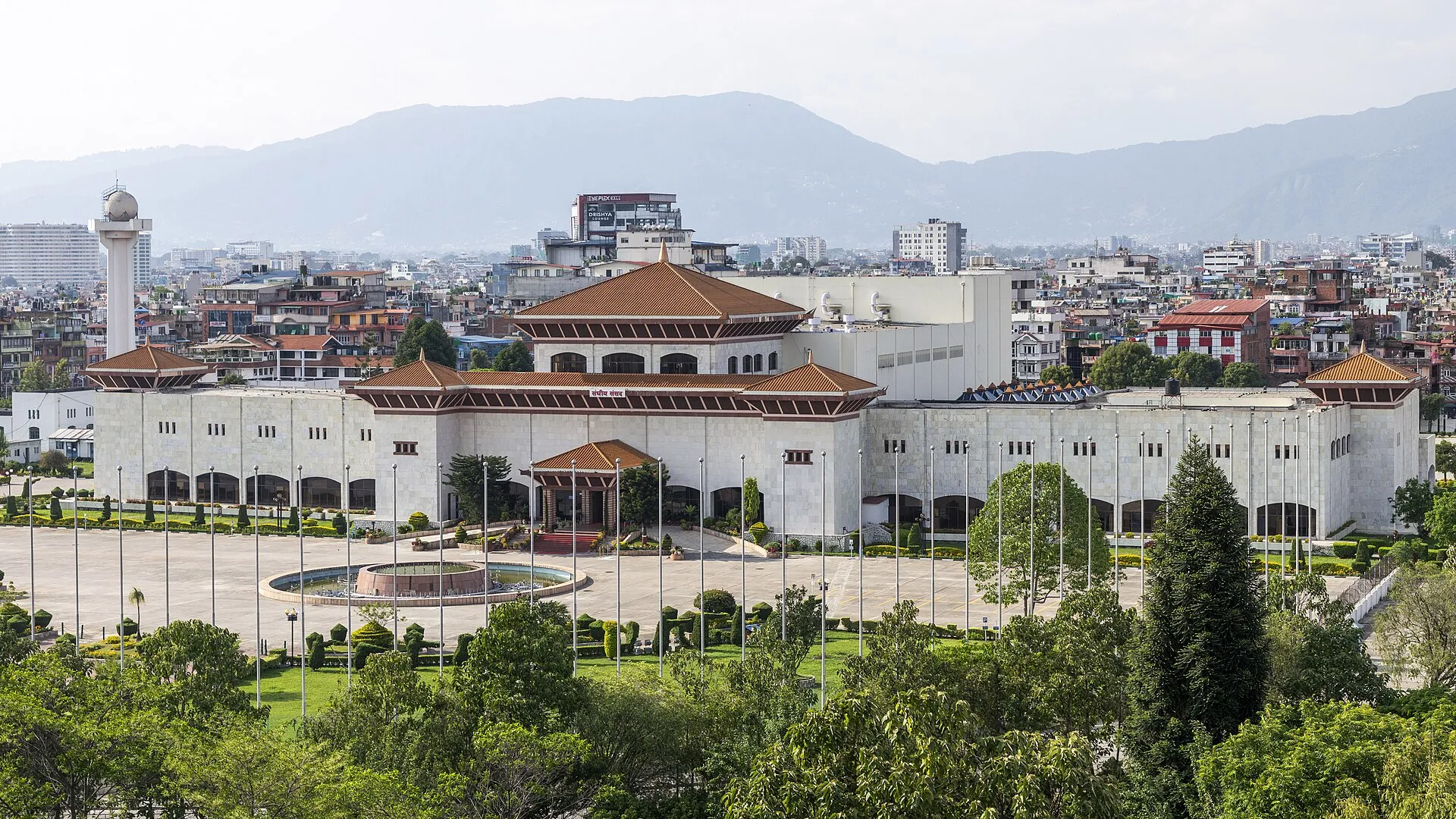
President Ramchandra Paudel prorogued the budget session of Nepal’s Federal Parliament with effect from midnight on 2 October (16 Asoj 2083 BS), acting on the recommendation of the government. The session produced 12 new laws, but a large number of bills were left unfinished, most of them sitting in committees of the House of Representatives, the lower house.
Nepal’s Parliament is bicameral: the House of Representatives and the National Assembly. A bill becomes law only after both Houses pass it and the President authenticates it.
What was passed
According to The Kathmandu Post, 12 bills cleared both Houses and were authenticated by the President during the session. Onlinekhabar English reported that Parliament also approved six treaties and conventions. A full official list of the laws passed had not appeared in the media reports at the time of writing.
The Kathmandu Post reported that 35 bills were registered during the session, against a government projection of 64. The first bill registered, on 25 May, was the Nepal Rastra Bank (Third Amendment) Bill, which would amend the central bank’s governing law; it remains pending.
How many bills are pending
The figures differ by source and date. The Kathmandu Post reported on 3 October that 20 bills were under discussion in various House committees. Onlinekhabar English, citing the Federal Parliament Secretariat, reported on 26 October (9 Kartik) that 36 bills were pending, 24 of them in House of Representatives committees and none in National Assembly committees.
Among the pending bills is the Federal Civil Service Bill, 2083, which was registered at the very end of the session. The Kathmandu Post noted that it reached Parliament ten years after Nepal moved to a federal system; a federal civil service law is needed to organise the bureaucracy across federal, provincial and local levels.
What the parties said
Basana Thapa, chief whip of the opposition Nepali Congress, criticised the government’s handling of legislation. “Initially, the government could not introduce bills, while many were tabled only in the final month,” she told The Kathmandu Post, adding that “even laws that needed to be enacted were not passed during this session.”
Ekram Giri, spokesperson for the Federal Parliament Secretariat, said that “the session can be considered as successful in terms of legislation.” Law, Justice and Parliamentary Affairs Minister Sobita Gautam was reported as saying that the end of the session would not stop the government from registering bills, and that the government is targeting 166 laws in this fiscal year.
What happens next
The winter session is expected to be summoned in about two months. Bills already registered remain alive and will be taken up then.
While Parliament is not in session, Article 114 of the Constitution allows the President, on the recommendation of the Council of Ministers, to issue ordinances when immediate action is needed. An ordinance has the force of law, but it must be laid before both Houses at the next session and lapses if it is not adopted. The Kathmandu Post has reported that four of eight ordinances issued in April–May this year lapsed because Parliament did not endorse them within 60 days of the start of the session.
Sources
This report is based on the media reports listed below. It will be updated when the Parliament Secretariat publishes an official list of laws passed.
Other reporting
- 12 laws passed, 35 bills registered as budget session ends — The Kathmandu Post, 3 Oct 2026
- Report on bills pending in Parliament — Onlinekhabar English, 26 Oct 2026
- Federal Civil Service Bill reaches Parliament ten years after federalism — The Kathmandu Post, 2 Oct 2026
- Ordinances’ expiry leaves legal holes as altered provisions evaporate — The Kathmandu Post, 11 Jul 2026